Leave Your Message

How to Choose the Right Stamping Parts for Your Project?

Choosing the right stamping parts for your project can feel overwhelming. Bob Anderson, a leading expert in the stamping industry, once said, “Selecting the right materials is essential for project success.” His insight highlights a critical aspect of the stamping parts process.

When working on a project, consider the specific requirements. Different stamping parts serve various functions. Factors like material type, thickness, and finish are vital. Ignoring these elements can lead to costly mistakes. Additionally, understanding your project’s demand is crucial. Failing to assess these needs can result in subpar performance.

The array of options available can be daunting. You may find it difficult to narrow down choices. Don’t rush this process. Take time to research and analyze each component. Engaging with suppliers can provide valuable insights. They may offer recommendations you hadn’t considered. Involving experts early can steer your project in the right direction. Be prepared to adapt your choices as needed. Remember, making informed decisions is key to achieving desired results with stamping parts.
How to Choose the Right Stamping Parts for Your Project?

Understanding the Basics of Stamping Parts for Your Project

How to Choose the Right Stamping Parts for Your Project?

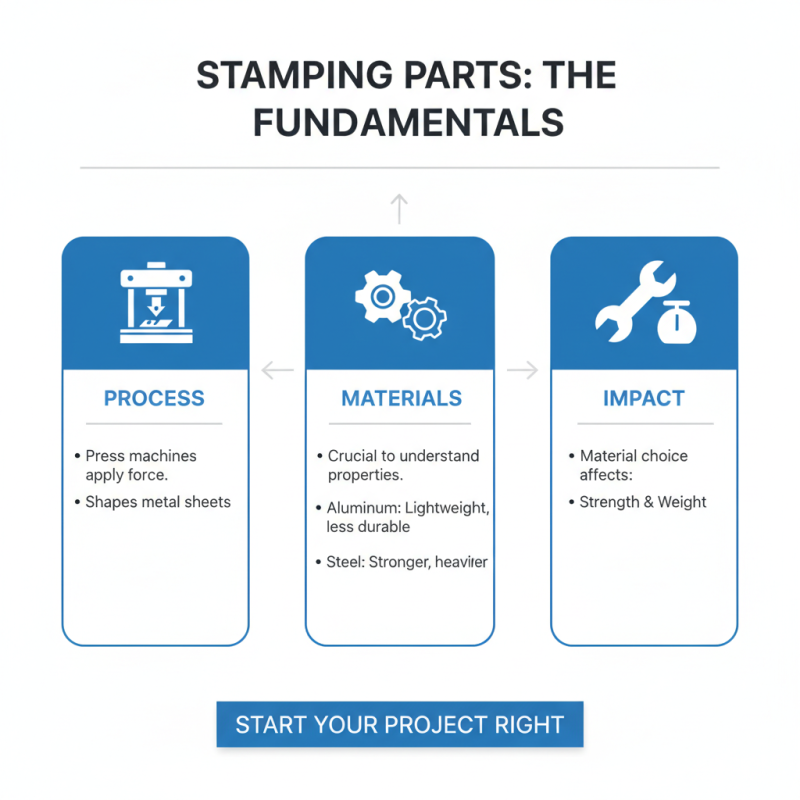
When starting a project that requires stamping parts, it's essential to grasp the fundamentals. Stamping parts are created by press machines applying force. This process shapes metal sheets into desired forms. Understanding materials is crucial. Different metals have varying properties. For instance, aluminum is lightweight but less durable than steel. Choosing the right material affects strength and weight.

Next, consider the design of your parts. Simple designs are easier and cost-effective to produce. Complex shapes might increase costs and time. It's important to balance aesthetics and functionality. Some designs may look appealing but may not be practical. Evaluate your needs carefully. Ask yourself: will this design function as intended? This reflection can save time and resources in the long run.

Finally, don't overlook the importance of precision. Tolerances must be closely monitored. Minor errors can lead to significant issues later. Testing prototypes can highlight potential problems. Gathering feedback early is beneficial. Keep an open mind for adjustments. Being adaptable can improve the final product significantly.
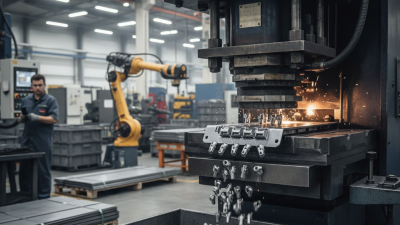
Identifying the Specific Requirements for Your Project Needs

When choosing stamping parts, start by identifying specific requirements for your project. Consider dimensions, material, and function. Ask yourself: what are the key specifications? Document these details. This will guide your selection.

Tip: Always measure twice. Accuracy impacts fit and function. Small errors lead to big problems later. You might find that even slight changes in size can affect assembly.

Additionally, think about the manufacturing process. Different methods yield different results. Dismiss assumptions about materials. Each has strengths and weaknesses. Can your chosen material withstand the conditions? This is critical.

Tip: Create a checklist. Include material properties, production tolerances, and environmental factors. This simplifies decision-making. It keeps your project focused.

Taking time to reflect on these factors can prevent costly mistakes. Don’t rush through this stage. A thorough approach ensures the final product meets your project needs.

Evaluating Material Options for Stamping Parts: Pros and Cons

When selecting materials for stamping parts, consider the pros and cons. Metal options, like steel and aluminum, are popular. Steel offers strength and durability. However, it may corrode over time without proper treatment. Aluminum, on the other hand, is lightweight and resistant to corrosion. But it may not provide the same level of strength as steel. This trade-off can affect your project’s longevity.

Plastics are another viable option. They are often less expensive and can be molded into intricate shapes. However, plastics may not withstand high temperatures or heavy loads. This limitation could lead to failures in critical applications. For more demanding projects, the material choice must align with the intended use.

Other factors matter too. Cost can play a significant role in material selection. Lower-cost materials might save money but could compromise performance. Additionally, environmental impact is an important consideration. Some materials are more sustainable than others. It's crucial to weigh these factors and think critically about the long-term effects of your choices.

How to Choose the Right Stamping Parts for Your Project? - Evaluating Material Options for Stamping Parts: Pros and Cons

Material Pros Cons Typical Applications
Steel High strength, good durability, cost-effective Prone to corrosion without coatings, heavy Automotive parts, industrial machinery
Aluminum Lightweight, excellent corrosion resistance, good machinability Lower strength compared to steel, more expensive Aerospace components, consumer electronics
Brass Good corrosion resistance, attractive appearance, good machinability Expensive, softer than steel Decorative items, plumbing fittings
Stainless Steel Excellent corrosion resistance, high strength, hygienic Higher cost, can be difficult to machine Food processing equipment, medical devices
Copper Excellent electrical and thermal conductivity, corrosion-resistant Expensive, prone to tarnishing Electrical connectors, heat exchangers

Assessing the Manufacturing Process and Its Impact on Quality

How to Choose the Right Stamping Parts for Your Project?

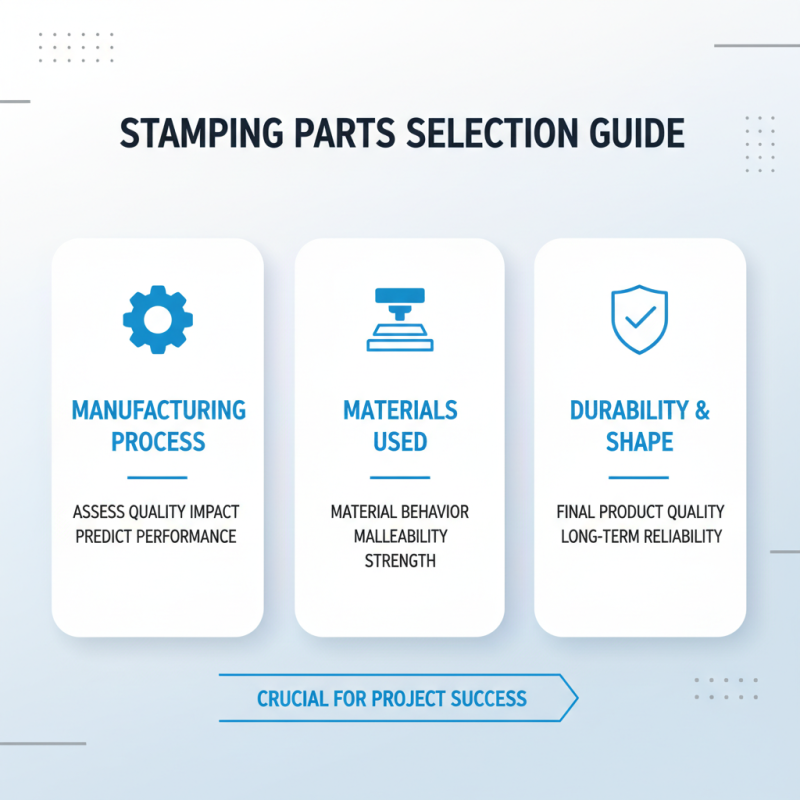
When selecting stamping parts for a project, the manufacturing process is crucial. Proper assessment of this process can greatly impact quality. Understanding how parts are made helps predict their performance and durability. It's essential to know the materials used as well. Different materials behave differently during stamping. For example, some metals are more malleable than others, affecting the final product's shape and strength.

Tips: Always consider the type of stamping process. Progressive die stamping offers precision. This method allows for complex shapes with tight tolerances. On the other hand, single hit stamping may be suitable for simpler designs. Think about the part's end use when making your choice.

Consider the effects of machining and tooling as well. The tools used in the stamping process wear down over time. This wear can lead to slight variations in parts, which may not be acceptable for all applications. Regular maintenance and proper tool selection can mitigate this issue. If quality doesn't meet expectations, reassessing the entire process may be necessary.

Tips: Don’t overlook quality assurance steps. Regular inspections during production can catch errors early. This proactive approach saves time and resources. Ensure your stamping vendor has a robust quality management system to guarantee consistency in production.

Selecting a Reliable Supplier for Your Stamping Parts Needs

Choosing the right stamping parts for your project is crucial. A reliable supplier plays a key role in this process. You need to evaluate their experience and reputation. Look for suppliers with a proven track record. Online reviews can be useful but may not always reflect the whole picture.

Communication is also essential. A good supplier should be responsive to your inquiries. They should understand your specific needs and offer solutions. Ask for samples to assess quality. Sometimes, a reputable supplier may still have flaws. Therefore, it’s wise to ask about their quality control processes.

Transparent pricing and clear terms are important. Avoid suppliers who have hidden fees or vague terms. It can lead to frustration later. Make sure they have a solid understanding of your industry. This can affect production compatibility and delivery timelines. Not everyone will meet your expectations, so be prepared to adjust your approach if needed.

Stamping Parts Selection Metrics

This chart illustrates the importance of various criteria when selecting stamping parts for a project. Higher ratings indicate greater importance in the decision-making process.