How to Choose the Right CNC Machining Service for Your Project?
Choosing the right CNC machining service is crucial for the success of your project. The process is complex and requires careful consideration. Each CNC machining service offers varying capabilities and expertise. This can directly affect the outcome of your design.
Research plays a vital role in identifying potential services. Look for companies that demonstrate a proven track record in CNC machining. Their expertise should align with your specific project needs. Pay attention to customer reviews and case studies for insights into their reliability.
Consider the range of materials and technologies that each service provides. A good service should be adaptable and skilled in various machining techniques. If a service specializes in only one area, it may not meet your diverse project requirements. Reflect on your goals and how these services can help achieve them. Trust plays a key role in making your selection.
Understanding CNC Machining: Key Concepts and Technologies
CNC machining is a vital process in modern manufacturing. It stands for Computer Numerical Control. This technology utilizes computer algorithms to automate manufacturing processes. With CNC machining, precision and repeatability are significantly enhanced. The machine reads a detailed program. It translates the design into intricately crafted parts.
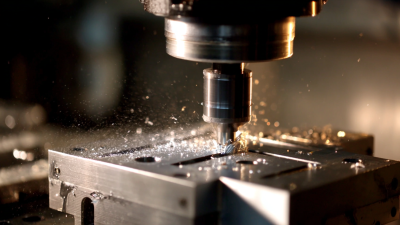
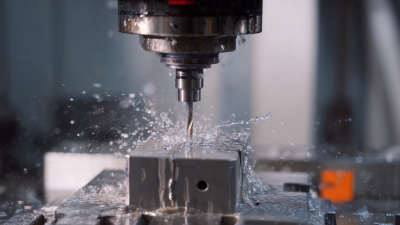
Key concepts include milling, turning, and drilling. Each technique has its specific applications. Milling involves removing material from a flat surface, while turning shapes cylindrical parts. Drilling is used to create precise holes in materials. Understanding these basics helps in choosing the right service for your needs. It's crucial to consider the type of project. Different services specialize in specific machining techniques.
However, challenges often arise in CNC machining. Tolerances can get tricky, especially with complex designs. Communication is essential; unclear instructions can lead to mistakes. Reviewing the capabilities of a service is also important. Each service provider has different machinery and techniques. Ensuring alignment between your project and their expertise can save time and resources. Taking the time to assess these factors leads to better outcomes.
Key Factors to Consider When Choosing CNC Machining Services
Evaluating CNC Machining Services: Factors to Consider and Best Practices
When evaluating CNC machining services, it’s crucial to consider several key factors. Material compatibility is one aspect. Different projects require distinct materials, and not every service can handle all types. Check if the service can work with aluminum, steel, plastic, or composites. This can impact quality and lead times.
Another vital factor is the precision and capabilities of the machinery. Services should have state-of-the-art equipment that matches your project's specifications. Ask about the tolerances the machine can achieve. If they offer extensive options, it reflects their expertise. However, some companies might claim high precision without evidence. Verify through examples of past work.
Communication and support matter as well. A responsive service can address concerns promptly. Look for companies that provide clear guidance throughout the process. Still, not every communication will be smooth. Issues may arise, revealing the importance of having a reliable point of contact. Lastly, consider reviews and testimonials. They can provide insight, but remember to evaluate them critically.
How to Choose the Right CNC Machining Service for Your Project?
| Factor |
Description |
Importance Level |
Best Practices |
| Experience |
Look for a service with a proven track record in the specific type of machining you require. |
High |
Check reviews and case studies to assess their capabilities. |
| Capabilities |
Ensure the service can meet your exact specifications, including materials and tolerances. |
High |
Request detailed capabilities lists and material certifications. |
| Technology |
Consider the machines and technology used to ensure precision and efficiency. |
Medium |
Ask about the equipment and software they utilize for machining. |
| Lead Time |
Evaluate turnaround times to meet project deadlines. |
High |
Always confirm lead times upfront and check for flexibility. |
| Cost |
Compare pricing structures while considering the quality of work. |
High |
Request detailed quotes and ask about potential hidden fees. |
| Customer Service |
Good communication is vital throughout the project lifecycle. |
Medium |
Assess their responsiveness during initial consultations. |
Assessing Material Compatibility: Common Materials in CNC Machining
Choosing the right CNC machining service involves careful consideration of material compatibility. Common materials used in CNC machining include metals, plastics, and composites. Each material has unique properties affecting the machining process, cost, and application.
Metals like aluminum and steel are widely used due to their strength and durability. Aluminum is lightweight and resistant to corrosion. Steel offers high tensile strength. Plastics, such as acrylics and polycarbonates, are also popular. They are often chosen for their lightweight and versatility. Composites combine materials to achieve desired properties, such as lightweight strength.
Tips: Understand the specifications of your project. Consider how the material interacts with machining tools. Evaluate the finish required on the final product. A good service provider should guide you in material selection.
Another point of concern is the machinability of certain materials. Some plastics can warp while machining. This may lead to issues during production. Metal alloys can also behave unpredictably under high speeds or temperatures. Always check the material data sheets for machining capabilities. If unsure, reach out to experts for insight. They can provide alternative suggestions based on your needs.
Cost Analysis: Estimating CNC Machining Expenses and Budgeting Effectively
When estimating CNC machining costs, it’s crucial to gather detailed quotes from multiple service providers. Prices can vary significantly based on materials, complexity, and volume. Often, lower quotes may mean reduced quality or longer lead times. Always assess the balance between cost and service quality.
Budgeting for CNC machining requires a clear understanding of your project's specifications. For instance, consider the type of material you need. Metals and plastics have different price points. Additionally, the intricacy of designs will impact machining time and costs. A simple part can be affordable, while a complex component may require more resources.
Keep in mind hidden fees that may arise. Setup charges, tooling costs, and post-processing can add to the total. It’s wise to ask for itemized quotes to foresee these expenses. Review past projects and customer feedback to identify any potential pitfalls. This knowledge can help refine your budget and choose a service that aligns with your financial capabilities.