How to Choose the Right Manufacturer for Your Business Needs
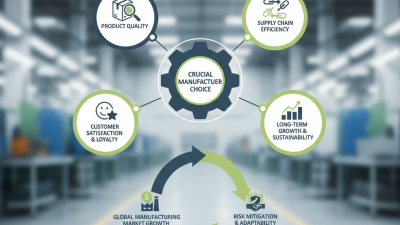
Choosing the right manufacturer for your business needs is a critical decision that can significantly impact your operational efficiency and product quality. As industry expert John Roberts, a leading consultant in manufacturing solutions, aptly stated, "The right manufacturer is not just a supplier; they are a true partner who can help you innovate and grow." With an ever-increasing array of manufacturers available, distinguishing the right fit for your specific requirements can be daunting.
In today's global marketplace, the importance of selecting a reliable manufacturer cannot be overstated. A well-chosen manufacturer not only enhances product quality but also contributes to the overall success of your business strategy. Various factors, including technological capabilities, production capacity, and communication efficiency, play pivotal roles in this selection process. Understanding these elements will empower you to make informed decisions that align with your business goals and ensure sustainability in a competitive landscape.

Identifying Your Business Requirements Before Selecting a Manufacturer
When it comes to choosing the right manufacturer for your business, the first step is to clearly identify your specific business requirements. Understanding what you need from a manufacturer can save you time and resources in the long run. Consider factors such as the type of products you require, production volume, quality standards, and delivery timelines. A well-defined set of requirements will help narrow down potential manufacturers and ensure they align with your objectives.
**Tips:** Take the time to list out your must-haves and nice-to-haves. This list will serve as a reference point during your evaluation process. Also, think about long-term goals; a manufacturer that meets your current needs might not be suitable as your business grows.
Furthermore, analyze the capabilities and expertise of potential manufacturers. Look into their production processes, technology, and quality control measures. This not only helps in confirming their ability to meet your requirements but also offers insights into their reliability and efficiency.
**Tips:** Schedule visits to factories, if possible, to observe operations firsthand. Additionally, ask for samples and references to evaluate their quality and customer service. Keeping open lines of communication during this phase can also build a strong foundation for your business relationship.
Manufacturer Selection Criteria
This bar chart represents the importance levels of various criteria when selecting a manufacturer for business needs. Each criterion is rated on a scale of 1 to 10, indicating its significance in the selection process.
Researching Potential Manufacturers and Their Specializations
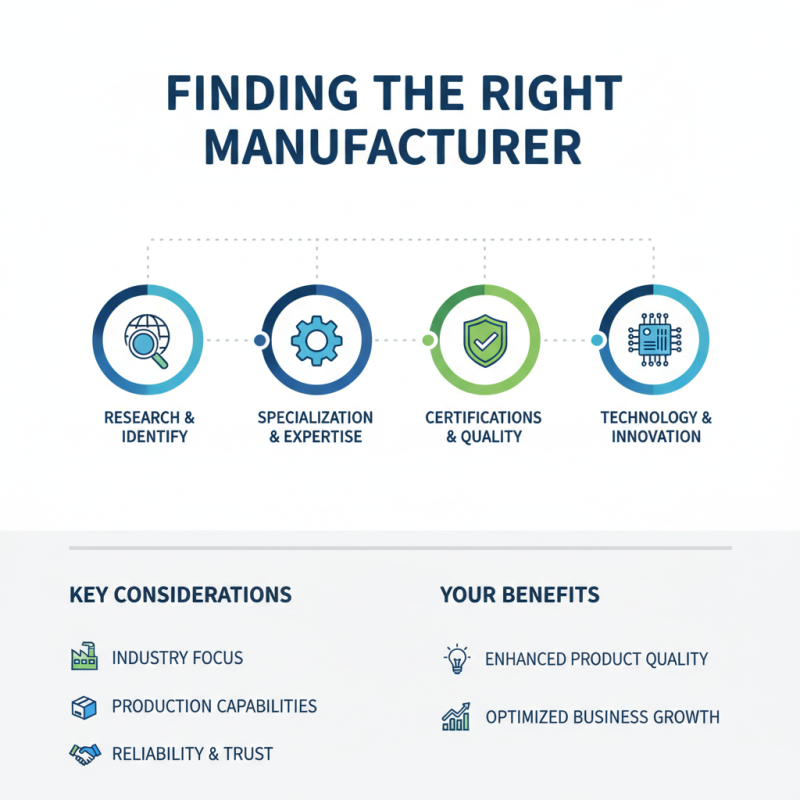
When searching for the right manufacturer for your business needs, it’s crucial to thoroughly research potential candidates and their areas of specialization. A manufacturer’s expertise can significantly influence the quality of the products and services you receive, making it essential to align their capabilities with your specific requirements. Start by identifying manufacturers that specialize in your industry or the products you intend to produce. Look for their certifications, production processes, and any technological advancements they utilize. This information will help you gauge whether they can meet your expectations and standards.
**Tips:** Focus on manufacturers that have a proven track record in your niche. Seek out case studies or testimonials that showcase their success with similar projects. This will provide you with insights into their capabilities and reliability.
Additionally, consider the manufacturer’s ability to scale production according to your business needs. Whether you require a small batch initially or plan for large-scale production in the future, choose a manufacturer that can adapt to your growth. Engaging in conversations with potential manufacturers about their production flexibility and lead times can provide deeper insight into their operational capacity.
**Tips:** Don’t hesitate to ask for samples or prototypes before making a long-term commitment. This hands-on experience will allow you to evaluate the quality and craftsmanship of their work, ensuring that the manufacturer you choose aligns perfectly with your business vision.
Evaluating Manufacturer Reliability and Reputation
When choosing a manufacturer for your business, assessing their reliability and reputation is crucial. Start by researching their track record. Look for reviews, testimonials, and case studies from current or past clients. A manufacturer with a long history of consistent quality and customer satisfaction is likely to be reliable. Additionally, consider reaching out to other businesses in your network to gather firsthand experiences. This will provide you with insights into how the manufacturer operates and handles challenges.
Another key factor in evaluating a manufacturer's reliability is their quality control processes. A commitment to maintaining high standards should be evident in their practices. Ask about certifications, quality assurance protocols, and any industry-specific compliance they adhere to. A reputable manufacturer will be transparent about their processes and willing to share documentation that validates their quality claims. This level of openness often reflects their reliability and dedication to producing top-notch products, ensuring that they meet your business needs effectively.
How to Choose the Right Manufacturer for Your Business Needs - Evaluating Manufacturer Reliability and Reputation
| Criteria |
Evaluation Method |
Rating Scale |
Average Score |
| Product Quality |
Sample Testing & Customer Feedback |
1 to 5 |
4.5 |
| Lead Time |
Production Schedule Review |
1 to 5 |
3.8 |
| Financial Stability |
Financial Report Analysis |
1 to 5 |
4.0 |
| Customer Support |
Surveys & Response Times |
1 to 5 |
4.2 |
| Reputation |
Market Research & Reviews |
1 to 5 |
4.8 |
| Compliance |
Certifications & Audits |
1 to 5 |
4.6 |
Comparing Cost Structures and Value Propositions
When selecting the right manufacturer for your business, understanding cost structures and value propositions is crucial. A manufacturer’s cost structure can significantly impact your bottom line, affecting everything from pricing strategies to profit margins. It's essential to assess whether the manufacturer operates on a fixed-cost basis or a variable-cost basis. A fixed-cost structure can provide predictability, while a variable-cost structure may offer flexibility during production fluctuations.
Tips: Always request a detailed breakdown of costs, including materials, labor, and overhead. This transparency can help you identify potential areas where savings can be made without compromising quality.
On the value proposition side, consider what the manufacturer offers beyond just pricing. Evaluate factors like quality assurance, lead times, and customer service. A manufacturer that prioritizes quality or has a robust support system might justify a higher cost, leading to better long-term partnerships.
Tips: Look for manufacturers that showcase testimonials or case studies. These can provide insights into their track record in delivering value beyond their pricing, helping you make a more informed decision.
Assessing Communication and Support from Manufacturers
When selecting a manufacturer for your business needs, assessing communication and support is paramount. Effective communication is the cornerstone of a successful partnership. It is essential to evaluate how responsive a manufacturer is to inquiries and concerns. A manufacturer that offers clear, timely, and transparent communication can help avoid misunderstandings and streamline the production process. Look for responsiveness across various channels, whether through email, phone, or instant messaging, as this reflects their commitment to customer service.
Additionally, support services play a crucial role in the overall experience of working with a manufacturer. Investigate the level of support they offer before, during, and after the production process. This includes understanding their willingness to provide assistance with design modifications, quality control, and logistics management. A manufacturer that has a dedicated support team can address issues promptly and offer solutions tailored to your needs. By prioritizing these aspects, you can ensure that you choose a manufacturer that not only meets your production requirements but also supports your business growth effectively.