How to Choose the Right Moulds for Your Projects?
Choosing the right moulds is crucial for successful projects. According to expert John Smith, "The right moulds can make or break your creation." His experience in the moulds industry provides invaluable insights.
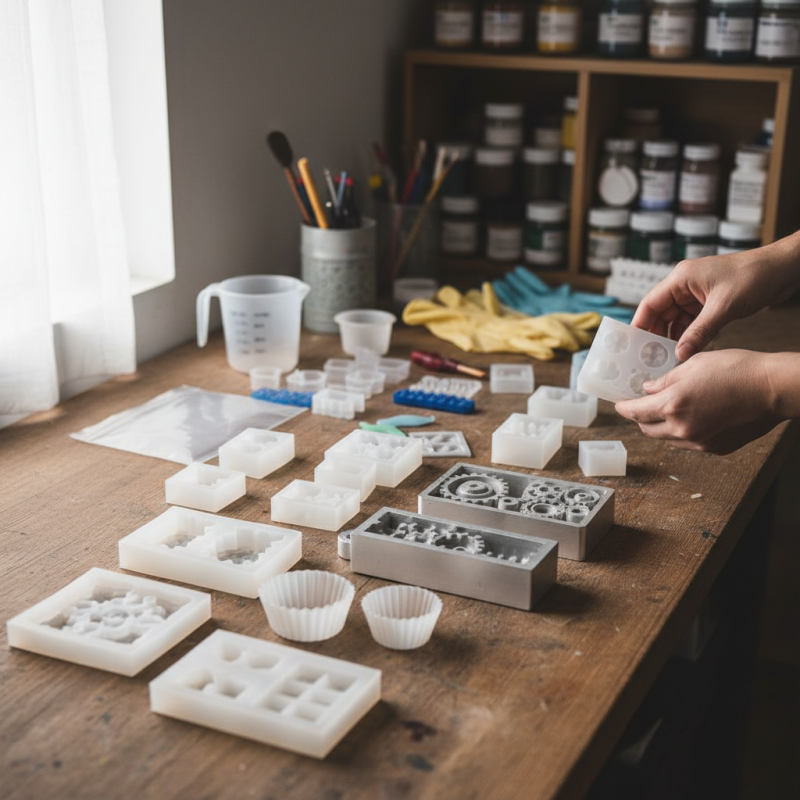
When deciding on moulds, consider the material, size, and design. For instance, silicone moulds are flexible and easy to clean. They offer great detail and precision. However, they're not always the best choice for heavy-duty projects. On the other hand, metal moulds provide durability but can be cumbersome.
Selecting moulds can feel overwhelming. Each project demands unique considerations. Reflecting on previous choices may reveal areas for improvement. Don’t rush—take time to research and test different moulds for your specific needs.
Identifying the Type of Project: Key Considerations
Choosing the right moulds for your projects begins with understanding your specific needs. Consider the final product you envision. Is it a decorative item, a functional piece, or a craft project? Each type of project will have different requirements that impact your mould selection.
Material is another crucial factor. Silicone moulds are flexible and great for intricate designs. Hard plastic moulds provide durability for repeated use. Consider how you will use the mould and what materials you’ll be working with. If you're working with resin, silicone is often a safer bet. Yet, it can sometimes be tricky to release the final product without damage.
Reflect on your skills as well. Sometimes, you may bite off more than you can chew. A complex design can frustrate beginners, making the process less enjoyable. It's okay to choose simpler moulds and work your way up. Remember, the goal is to create something you love, not just something to showcase. Balancing ambition with your current skill level is essential for a successful project.
How to Choose the Right Moulds for Your Projects?
When selecting moulds for your projects, various factors come into play such as the type of material, size, and complexity of the design. The following bar chart illustrates the most common types of moulds used in different project categories based on real-world applications.
Evaluating Mould Material Options for Durability
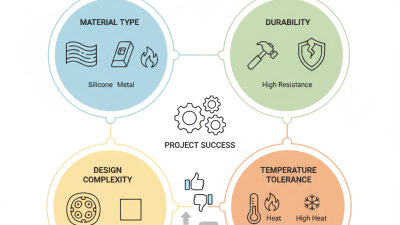
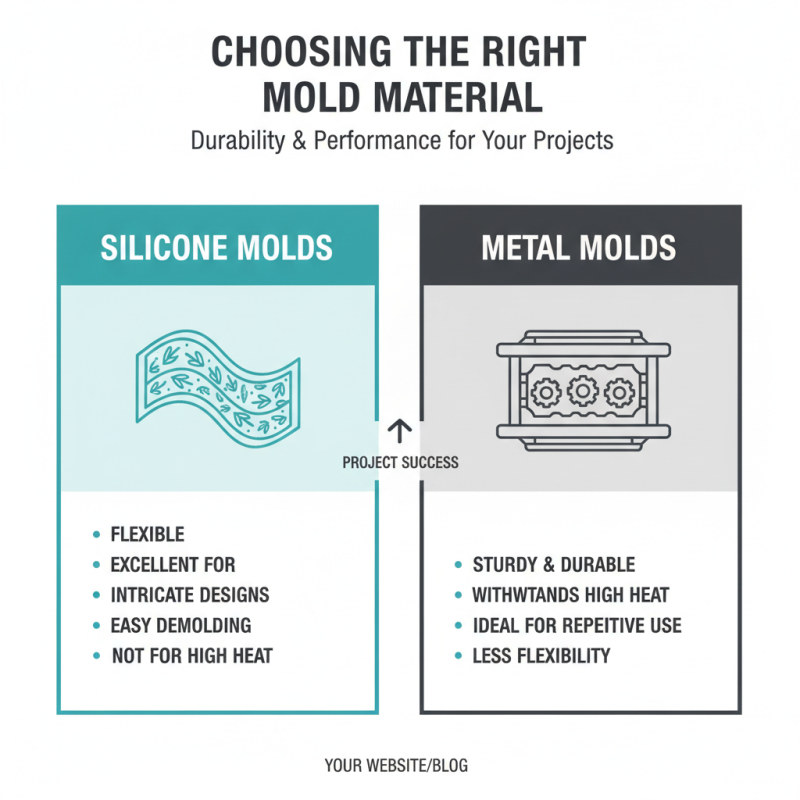
Choosing the right mould material is crucial for the success of your project. Different materials offer various levels of durability and performance. For example, silicone moulds are flexible and great for intricate designs, but they may not withstand high heat. On the other hand, metal moulds are sturdy and can handle heavy use, making them ideal for repetitive tasks.
When evaluating materials, consider the end-use of your project. If precision is vital, a rigid material might be necessary. However, if you need versatility, a softer mould could work better. Sometimes, the option isn't clear. You may find yourself torn between the flexibility of silicone and the durability of metal. Experimenting with both could lead to unexpected results.
Reflect on the mould's lifespan as well. Will it hold up over time? If the material wears out quickly, it may not be worth the initial investment. Don’t ignore your budget either. High-quality moulds can be pricey, but they often produce better outcomes. A balance between cost and durability is necessary for optimal results.
Understanding Size and Shape Requirements for Moulds
When selecting moulds for your projects, consider their size and shape carefully. The right dimensions can make or break your outcome. Think about what you are crafting. Is it a small decorative piece, or a large functional item? Each project requires a specific mould. Measure your materials to ensure a precise fit.
Tips: Always create a prototype. This can help identify size discrepancies before working with the final materials. If your mould is too small, the final product will not meet your expectations.
Material is also crucial. Different materials affect the shape and integrity of your mould. If the shape is intricate, opt for more flexible materials. This can reduce the risk of damaging your creation during extraction. However, flexible materials may not hold their shape as well.
Tips: Test your moulds with inexpensive materials first. This gives insight into how the final piece will look and feel. Be open to adjustments as you go. Perfect results often come from learning through trial and error.
How to Choose the Right Moulds for Your Projects? - Understanding Size and Shape Requirements for Moulds
| Mould Type |
Dimensions (mm) |
Shape |
Material |
Usage |
| Square Mould |
100 x 100 |
Square |
Silicone |
Baking, Crafts |
| Round Mould |
150 (Diameter) |
Circle |
Steel |
Cake, Pudding |
| Rectangular Mould |
200 x 150 |
Rectangle |
Plastic |
Bread, Lasagna |
| Novelty Mould |
Varies |
Shapes like Hearts, Stars |
Silicone |
Decorative Baking |
| Ball Mould |
Diameter 80 |
Sphere |
Silicone |
Chocolate, Ice Cream |
Assessing the Complexity of Designs and Details
When selecting moulds for your projects, consider the complexity of your designs.
Simple shapes can be effective for beginners.
However, intricate details require more advanced moulds.
Assessing your skills and experience is essential. Complex designs can yield stunning results but may lead to frustration if the mould is difficult to work with.
Tip: Start with a few basic moulds. Use them to practice your techniques. Experience will build your confidence for more detailed projects. Know your limits and push them gradually.
Details matter. Intricate patterns can elevate your work but include extra challenges. Ensure you understand the intricacies of those designs.
Check how the mould’s features will affect your final product.
The texture and depth can alter the outcome significantly.
Tip: Test the mould with a small batch first. This will help you gauge if it meets your design needs. Refine your process using these samples.
Don’t rush; mistakes can teach valuable lessons. Embrace the learning curve.
Budgeting for Moulds: Costs and Investment Considerations
Budgeting for moulds is crucial for any project.
High-quality moulds can come with significant costs. Depending on the material and complexity, prices can range from a few hundred to thousands of dollars.
A comprehensive report by the Global Moulding Market Forecast (2021) states that the average expenditure on custom moulds can reach up to $15,000 for intricate designs. This means it's vital to balance quality with affordability.
When planning your budget, consider both the initial investment and long-term value. Cheaper options might save money upfront, but they can lead to higher maintenance costs.
A subpar mould can affect production consistency. Inefficiencies can cost more in wasted materials and time.
According to the Mould Performance Analysis (2022), businesses reported a 20% increase in operational efficiency with higher-quality moulds.
Avoiding common pitfalls is essential. It's easy to underestimate the total expenses. Hidden costs like shipping, materials, and repairs can add up.
Reflect on the project’s specific needs. Will a standard mould suffice, or do you need customization?
Misjudging these factors can lead to budget overruns and project delays. Careful planning is key to making the right mould investment.