Ultimate Guide to Choosing the Best Punching Die for Your Needs?
Choosing the right punching die can significantly impact your production quality and efficiency. Industry expert John Stevens once said, “A well-selected punching die is the heart of effective manufacturing.” His words highlight the importance of making the right choice in this critical area.
Punching dies are essential tools in various manufacturing processes. They shape and cut materials to exact specifications. With many options available, selecting the best punching die for your application requires careful consideration. Factors such as material type, thickness, and compatibility with machines play key roles in your decision.
Understanding the nuances of different punching dies can be challenging. Not every die is suitable for every task. Some may wear out quicker than expected, which could lead to costly delays. Reflecting on these aspects is crucial for long-term success. This guide aims to empower you with the knowledge needed to navigate your options effectively, ensuring you choose a punching die that meets your unique requirements.
Understanding the Basics of Punching Dies and Their Applications
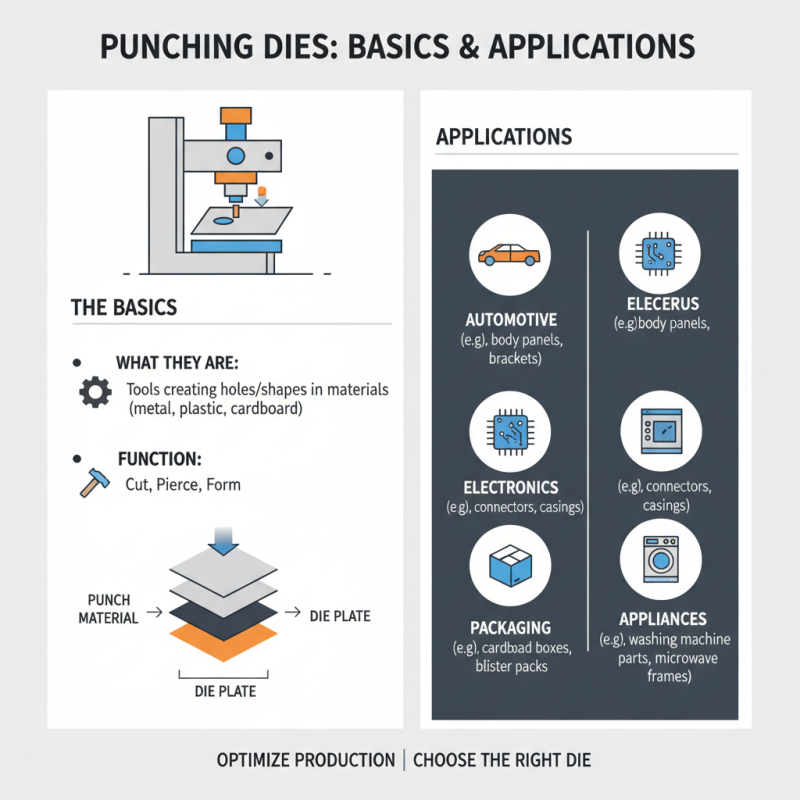
Punching dies are essential tools in manufacturing. They create holes or shapes in various materials like metal, plastic, and cardboard. Understanding the basics of these dies helps you select the right one for your projects. Their applications range from automotive parts to electronics. Each type of die has a specific purpose, and knowing these can enhance production efficiency.
Tips: Consider the material thickness when choosing a die. Thicker materials require stronger dies. The die's shape and size matter too. Custom dies can provide better results for unique applications. Analyze your production needs thoroughly before purchasing.
Selecting the right punching die involves understanding its design. A well-designed die reduces wear and increases lifespan. However, imperfections in the die can lead to inconsistent results. It’s important to review and test the dies in production settings. Regular maintenance can also prevent wear and prolong usage. Always be ready to adapt as your production needs change.
Key Factors to Consider When Choosing a Punching Die
When choosing a punching die, several key factors come into play. Material selection is crucial. High-speed steel (HSS) is common due to its durability, but carbide dies can outperform HSS in terms of lifespan and precision. According to industry reports, carbide tools can last up to five times longer than their HSS counterparts in heavy use scenarios. This reflects the importance of aligning die material with operational demands.
Die design and specifications must also be considered. The type of cut, thickness of the material, and desired tolerances are vital. For example, a die designed for thin materials may not withstand the pressure required for thicker substrates. Data shows that mismatched die designs can lead to a 15% increase in material wastage. It’s essential to analyze the specific requirements before making a decision.
Another significant factor is the die's production process. Custom dies offer advantages but may involve longer lead times and higher costs. Conversely, standardized dies are quick and cost-effective but might not have the precision needed for specialized tasks. Balancing the trade-offs between speed, cost, and precision is essential for optimal production efficiency. This evaluation reveals that a thorough understanding of these factors will significantly influence the overall performance of your operations.
Ultimate Guide to Choosing the Best Punching Die for Your Needs
| Feature |
Description |
Machining Materials |
Die Size |
Load Capacity (Tons) |
| Precision |
High accuracy in cutting and shaping materials. |
Steel, Aluminum, Brass |
Customizable sizes; typical range 50mm to 300mm. |
1-5 tons |
| Durability |
Long lifespan with proper maintenance. |
Hardened Steel, Tool Steel |
Standard sizes; up to 400mm available. |
5-10 tons |
| Customizability |
Ability to tailor dies for specific needs. |
Plastic, Composite Materials |
Adjustable designs for various shapes. |
Up to 15 tons |
Material Selection: What to Look for in Punching Dies
When selecting a punching die, material choice is crucial. Different materials offer various properties that affect performance, durability, and the quality of the punches. Common materials for punching dies include carbon steel, tool steel, and high-speed steel. Each has unique characteristics that cater to specific applications.
For instance, carbon steel is affordable and easy to work with. However, it may wear out quickly under heavy use. On the other hand, tool steel is more durable and retains sharpness longer. This is essential for high-volume production. High-speed steel is known for its toughness and heat resistance, making it suitable for specialized tasks.
**Tip**: Consider the environment where the die will be used. High humidity or extreme temperatures can affect performance.
Beyond just the material, the heat treatment of the die significantly impacts its longevity. Proper treatment enhances hardness and wear resistance. Yet, improper treatment can lead to brittleness.
**Tip**: Assess your production volume. For low-volume jobs, softer materials might suffice. But for enduring applications, investing in high-quality steel pays off in the long run.
Finding the right balance between material, treatment, and application is essential. Don’t overlook the importance of these choices in your selection process.
Material Selection for Punching Dies
Types of Punching Dies: A Comprehensive Overview
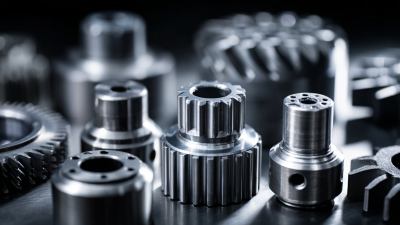
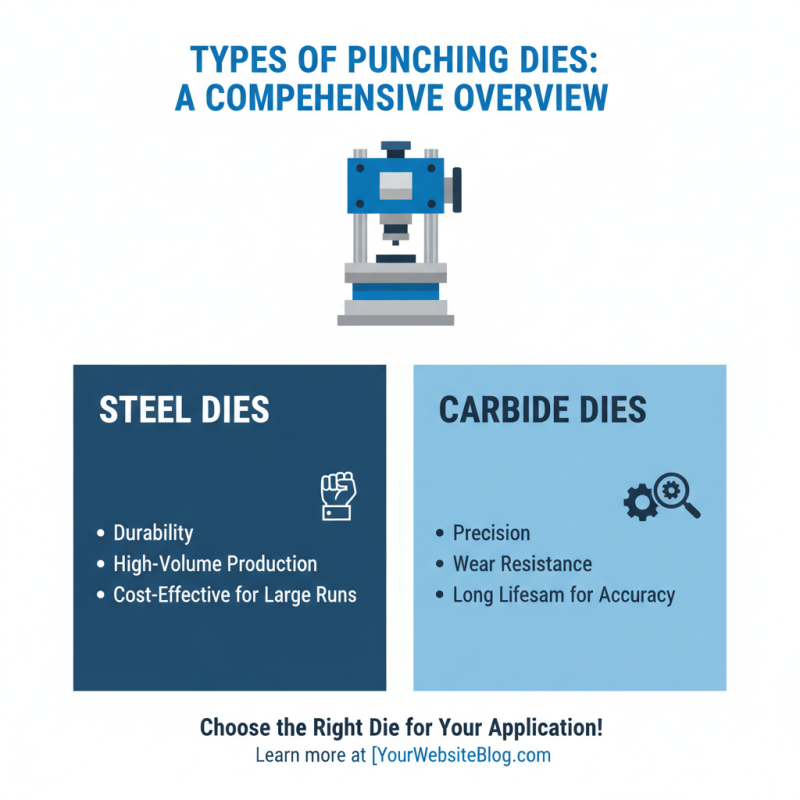
When it comes to choosing punching dies, understanding the types available is crucial. Punching dies play an essential role in manufacturing and fabrication processes. There are several types, each designed for specific applications. For instance, steel dies are known for their durability and are often used in high-volume production. Meanwhile, carbide dies offer precision and can withstand more wear and tear.
Tips to consider: Assess your production needs before deciding. Whether you need speed or accuracy can influence your choice of die.
Another option is progressive dies, which allow for more complex operations. These can improve efficiency by completing multiple steps in one pass. According to a report by the Machinery Research Institute, the demand for these types of dies has increased by 15% over the past five years. However, they can be more costly and may require more maintenance.
Always factor in the material you will be working with. Some dies perform better with specific metals or thicknesses. Not all dies are suitable for all tasks. Ultimately, consider your unique requirements and seek expert advice when needed.
Maintenance Tips for Prolonging the Life of Your Punching Die
Maintaining your punching die is vital for optimal performance. Regular maintenance can prevent wear and prolong its lifespan. Start by keeping the die clean. Dust and debris can cause damage over time. Use a soft cloth to wipe off any residue after each use. Pay special attention to intricate parts where grime can accumulate.
Lubrication is another key aspect of maintenance. Applying the right lubricant reduces friction. But be careful—too much can create a mess and attract more dirt. Aim for a balance. Inspect the die regularly for any signs of wear. Early detection can save you from costly replacements.
It’s important to follow a routine that suits your specific needs. Develop a checklist to ensure no step is overlooked. Assessing the die's performance after each use could offer insights. Reflect on any issues you encounter. This will help you refine your maintenance approach over time.