Why You Should Invest in a Corrugated Iron Roofing Sheet Making Machine?
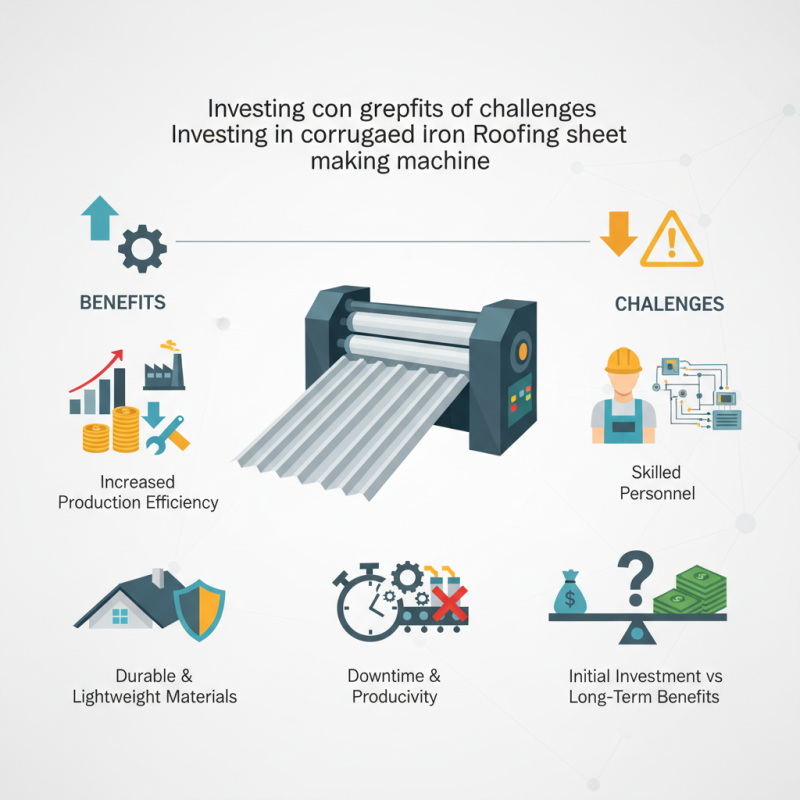
Investing in a corrugated iron roofing sheet making machine is a strategic choice in today’s construction landscape. According to industry expert James Holloway, "A well-chosen machine can increase production efficiency and reduce costs."
This machine stands at the forefront of the metal roofing sector. It enables manufacturers to produce durable and lightweight materials that meet modern building standards. However, the initial investment can be substantial. It's crucial to assess the long-term benefits against the upfront costs.
Opting for this machinery means understanding potential challenges. The setup and maintenance require skilled personnel. There may be periods of downtime that can impact productivity. Balancing these factors is essential for a successful investment.
Benefits of Investing in Corrugated Iron Roofing Sheet Making Machines
Investing in a corrugated iron roofing sheet making machine opens up various opportunities. The global roofing materials market is projected to reach $109.9 billion by 2027, according to recent industry reports. This growth signifies a rising demand for durable roofing solutions. Corrugated iron sheets are favored for their strength and longevity. They can withstand extreme weather conditions, making them ideal for various climates.
One major benefit of these machines is cost efficiency. Manufacturing your own roofing sheets reduces dependence on suppliers. It cuts down on transportation costs and minimizes delays. A well-run operation can yield significant profits. However, initial setup costs can be daunting. Careful financial planning is essential.
Tips: Focus on proper maintenance of the machine to prevent unexpected breakdowns. Regular checks can prolong life and efficiency. Consider investing in training for operators to maximize productivity. Poor training can lead to costly mistakes. Balancing quality control and production speed is crucial. Too fast can compromise quality, while too slow can reduce profitability.
Why You Should Invest in a Corrugated Iron Roofing Sheet Making Machine? - Benefits of Investing in Corrugated Iron Roofing Sheet Making Machines
| Benefit | Description | Potential ROI (%) | Maintenance Cost (per year) |
| Cost-Effective Production | Lower manufacturing costs compared to traditional methods. | 25-30% | $1,500 |
| High Demand | Increasing construction activities drive demand for roofing materials. | 20-35% | $1,200 |
| Durability | Long lifespan of corrugated iron roofing increases product appeal. | 15-25% | $800 |
| Eco-Friendly Option | Recyclable materials enhance sustainability appeal. | 10-20% | $600 |
| Quick Setup | Faster installation saves time and reduces labor costs. | 18-28% | $700 |
Overview of the Manufacturing Process for Corrugated Iron Roofing Sheets
The manufacturing process for corrugated iron roofing sheets involves several key stages. Initially, raw materials like steel coils are prepared. These coils are then fed into a forming machine. The machine shapes the steel into corrugated sheets. This process can create a wide range of profiles, enhancing versatility. According to industry reports, the global corrugated metal market is expected to reach $3.38 billion by 2026.
After forming, sheets undergo cutting and trimming. Precision in these steps is vital. Poor cuts can lead to waste and additional costs. Post-trimming, sheets are often coated to prevent rust. This step increases durability and extends lifespan. A well-constructed roofing sheet can last over 50 years, making it a long-term investment. However, improper application of coatings can diminish quality.
Manufacturers face challenges during production. Machine calibration, for instance, is crucial for uniformity. Variations can result in inconsistent product quality. Additionally, regular maintenance is necessary to sustain machine efficiency. Research indicates that nearly 30% of manufacturers report issues with machinery downtime. Addressing these factors is essential for successful production.
Market Demand and Profit Potential for Corrugated Iron Roofing
The demand for corrugated iron roofing is on the rise. According to industry reports, the global market for roofing materials is expected to reach over $100 billion by 2025. Corrugated metal roofs are favored for their durability and low maintenance costs. Regions facing extreme weather are particularly attracted to this material.
Investing in a corrugated iron roofing sheet making machine can be lucrative. The profit margin for this business can be as high as 30%. Local construction projects provide a steady stream of customers. In many developing areas, the need for affordable housing is increasing, further boosting demand for durable roofing solutions.
Tips: Focus on quality production. Invest in machinery that delivers precision cuts. Regularly evaluate your supply chain for improvements. Understand local building regulations to avoid costly mistakes. Demand may fluctuate based on economic conditions, so stay informed.
Key Features to Look for in a Roofing Sheet Making Machine
When considering a corrugated iron roofing sheet making machine, several key features stand out. A reliable machine should offer versatility in sheet sizes and profiles. This allows users to cater to varying market demands. Look for machines with adjustable width and thickness settings. Flexibility can significantly boost your production capabilities.
Another essential feature is automation. Automated machines reduce labor costs and enhance precision. Look for options with integrated control systems. This can help minimize human error and improve overall efficiency. However, not all automated systems are equal. Some may require extensive training to operate effectively. This is an aspect that needs careful consideration.
Durability is crucial in any investment. The right machine should be able to withstand wear and tear over time. Quality materials in construction can make a big difference. Check for warranties and service support. Machines that are tough yet occasionally flawed can still perform well. Performance may fluctuate based on maintenance or environmental factors, so be prepared for these challenges.
Maintenance and Operational Considerations for Long-Term Success
Maintaining a corrugated iron roofing sheet making machine is crucial for operational efficiency. Regular maintenance can extend the life of the machine significantly. According to a recent industry report, systematic upkeep can reduce breakdowns by up to 30%. Inspections should be conducted monthly. Pay attention to wear and tear, especially on the rollers and cutting mechanisms.
Operational considerations also play a vital role. The environment where the machine operates affects its longevity. Dust accumulation can hinder performance. Clean the machine frequently. Additionally, proper training for operators is necessary. A knowledgeable workforce can lead to a 25% increase in productivity. Training sessions should cover best practices and troubleshooting techniques.
Investing in high-quality parts is essential. While cheaper options may seem appealing, they often result in more frequent replacements. Research indicates that investing an extra 10% in quality components can lead to a 50% decrease in long-term costs. Mistakes in choosing materials can be costly. Therefore, analyzing material quality is not just practical; it's vital for sustainable operation.