10 Essential Tips for Mastering Metal Stamping Techniques
In the ever-evolving landscape of metal fabrication, metal stamping stands out as a critical process utilized across various industries, from automotive to aerospace. According to a recent report by Grand View Research, the global metal stamping market is projected to reach $261.15 billion by 2025, growing at a CAGR of 5.7%. This growth underscores the increasing demand for precision-engineered components, where mastering metal stamping techniques becomes paramount for manufacturers aiming to stay competitive.
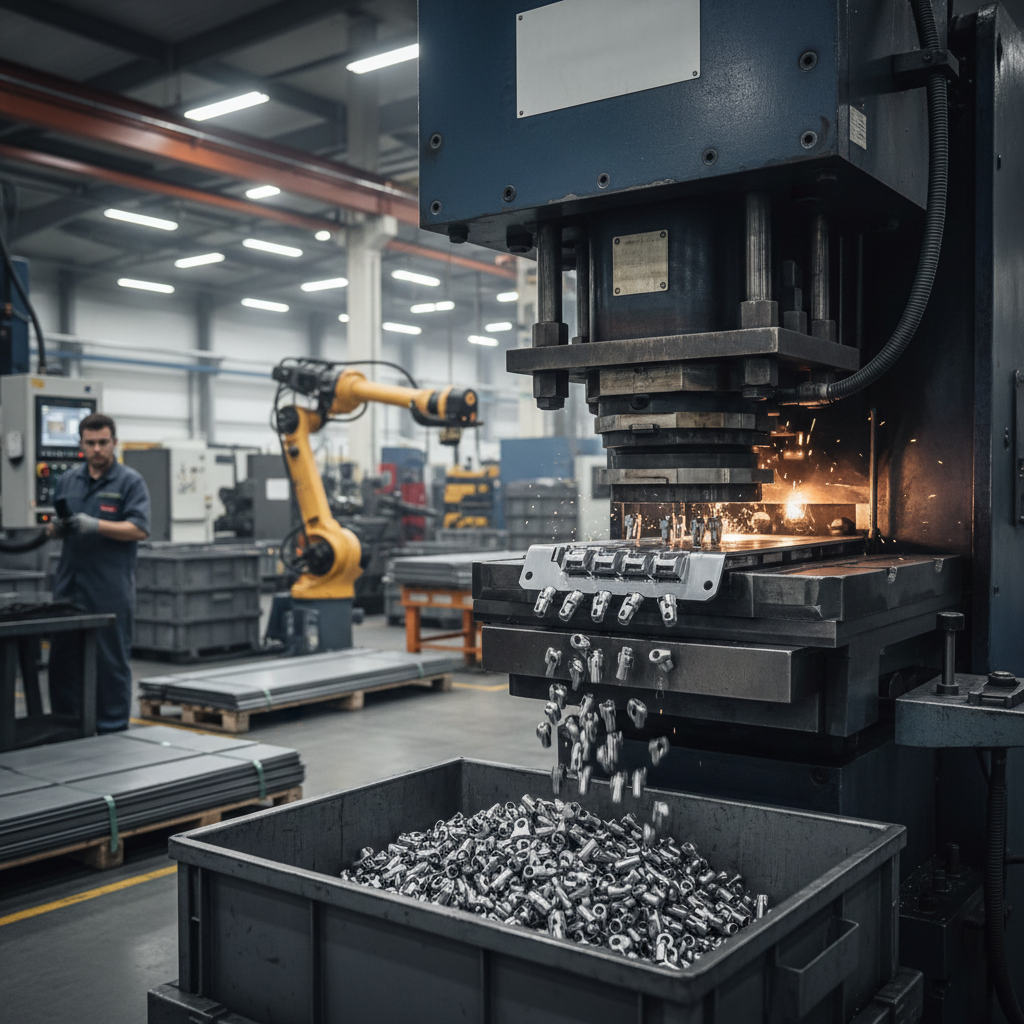
As the complexity of designs and materials continues to rise, businesses must adopt advanced methodologies and innovative practices in metal stamping. Industry experts emphasize the significance of efficiency and accuracy in this high-precision process. Implementing essential techniques not only enhances production quality but also significantly reduces costs, making it an indispensable skill set for metal manufacturers today. By focusing on the mastery of metal stamping, professionals can ensure they are equipped to meet the challenges of modern manufacturing while capitalizing on emerging opportunities in the market.
Understanding the Basics of Metal Stamping Techniques
Metal stamping is a versatile manufacturing process that involves creating parts or designs by deforming metal sheets through various techniques. Understanding the basics of metal stamping is crucial for both beginners and experienced crafters. It starts with the selection of the appropriate metal material, which can greatly influence the outcome of the project. Materials like aluminum, brass, and stainless steel have different properties, making them suitable for different applications.
When diving into metal stamping, here are some essential tips to keep in mind. First, always ensure that your workspace is clean and organized. A clutter-free environment minimizes the risk of accidents and helps maintain focus while working. Secondly, familiarize yourself with the tools of the trade, including hammers, punches, and dies. Knowing how to use these tools effectively will enhance your precision and efficiency. Lastly, practice makes perfect. Start with simple designs to build your skills before moving on to more complex projects. Embracing these foundational principles will set you on the path toward mastering the art of metal stamping.
Essential Tools and Materials for Effective Metal Stamping
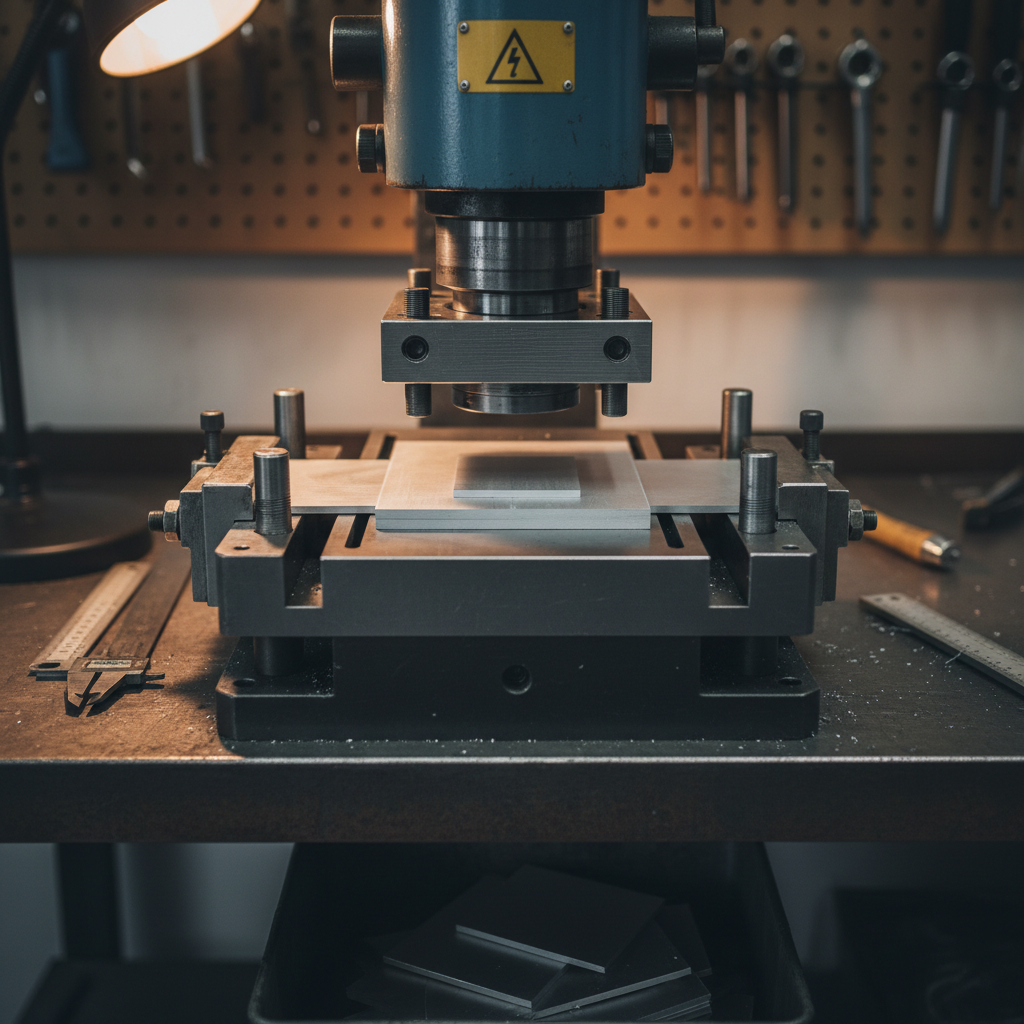
When embarking on metal stamping projects, having the right tools and materials is crucial for achieving the best results. Essential tools include high-quality dies, presses, and cutting tools, which are vital for shaping and transforming metal sheets into desired configurations. The global motor lamination market, projected to grow from USD 21.38 billion in 2025 to USD 30.89 billion by 2028, underscores the rising demand for precise metal components, emphasizing the importance of mastering effective stamping techniques.
In addition to tools, the selection of materials plays a significant role in the success of metal stamping. Aluminum and steel are among the most commonly used metals due to their durability and workability. Knowledge of these materials’ properties, such as tensile strength and ductility, is essential for fabricators to ensure that the final products meet industry standards.
With advancements in technology like AI-enhanced fabrication processes, metalworkers are better equipped to refine their techniques and improve efficiency, positioning themselves competitively in an expanding market.
Step-by-Step Guide to Popular Metal Stamping Techniques
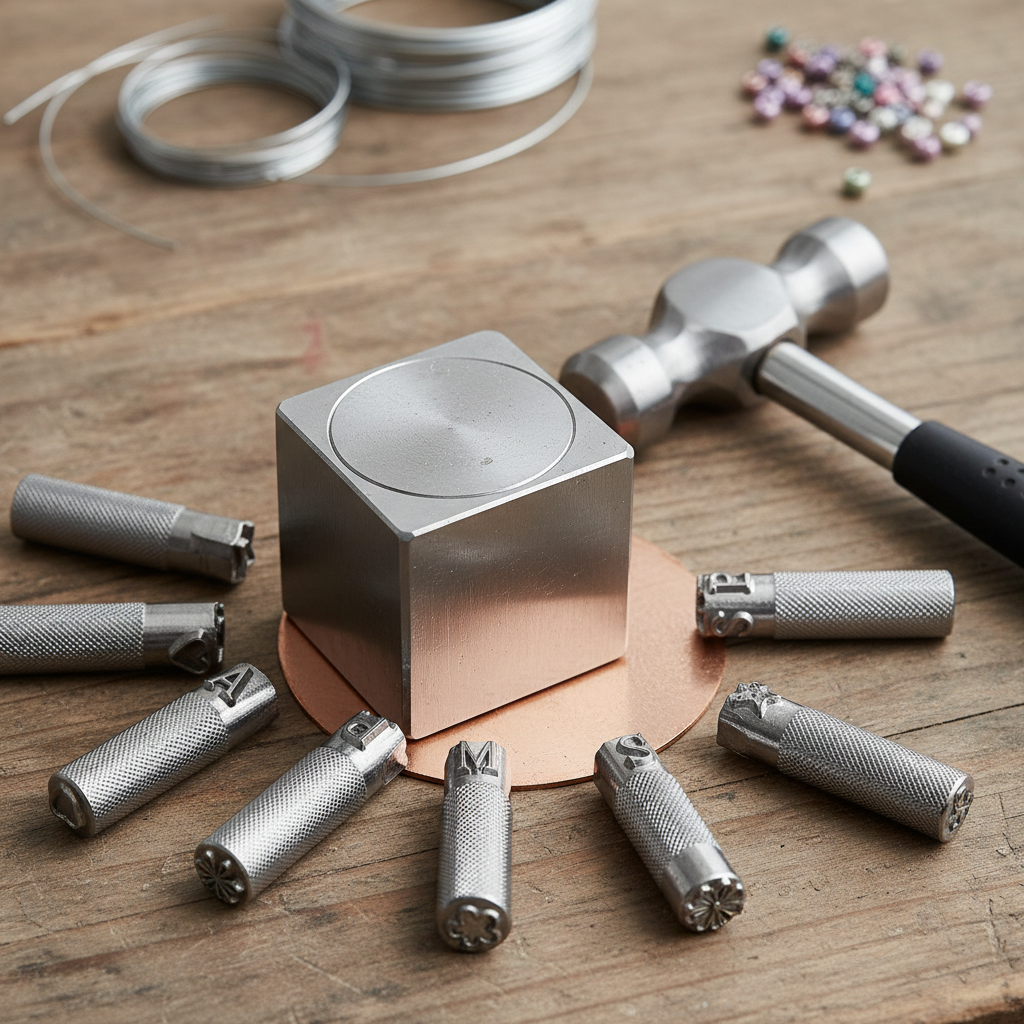
Metal stamping is a versatile technique that allows crafters to create beautiful and customized designs on various metal surfaces. To begin mastering metal stamping techniques, it's essential to start with the right tools. Ensure you have quality metal stamps, a metal block, and a sturdy hammer. Position your metal piece securely on the block to avoid any movement, which can lead to uneven impressions.
Once your workspace is set up, practice proper striking techniques. Aim for a consistent, firm strike directly over the stamp to achieve a clear impression. Experiment with different metals to understand how each material responds to stamping. Copper and aluminum are great options for beginners due to their softness, making them more forgiving for errors. Additionally, consider using a template to help with letter spacing and alignment. This method will ensure your designs look professional while you build confidence in your skills. Embrace the learning process, and soon you’ll be creating personalized pieces with unique flair.
Common Mistakes to Avoid in Metal Stamping Projects
When diving into metal stamping projects, avoiding common mistakes can significantly enhance your results and efficiency. One prevalent issue is misalignment of the metal pieces during the stamping process. This can lead to flawed designs and wasted materials. To avoid this, always ensure your setup is level and secured; double-check the measurements before commencing work to guarantee precision.
Another mistake to be mindful of is neglecting proper maintenance of your tools. Dull blades or worn-out dies can result in incomplete impressions or excess strain on your equipment, increasing the risk of breakage. Regularly inspect and sharpen your tools, and replace any parts that show signs of wear to maintain optimal performance.
Furthermore, it's critical to avoid rushing the stamping process. Patience is key, as attempting to speed through jobs often leads to errors and subpar products. Take your time to follow each step meticulously, ensuring that every piece is stamped to perfection before moving on. Remember, the quality of your work will be reflected in the final product.
Tips for Enhancing Creativity in Metal Stamping Designs
Metal stamping is not only a precise art but also a medium for expressing creativity. To enhance your designs, start by experimenting with various textures. Using different tools and techniques, such as embossing or creating a hammered effect, can add depth to your pieces. Consider incorporating mixed materials; combining metal with wood or fabric can create an intriguing contrast that catches the eye.
Another way to unleash your creativity is by playing with scale and proportions. Create oversized or miniature versions of your designs to see how size impacts the overall aesthetic. Additionally, don't shy away from color; using patinas or paint can transform a simple stamped piece into a vibrant statement. Remember, the beauty of metal stamping lies in the fusion of technique and personal style, so let your imagination guide you.